Built for moments that matter.
Cloud and automation work for growing businesses. Plus what I've been doing when I'm not at the keyboard.
The work that finds me is rarely the work in the job description.
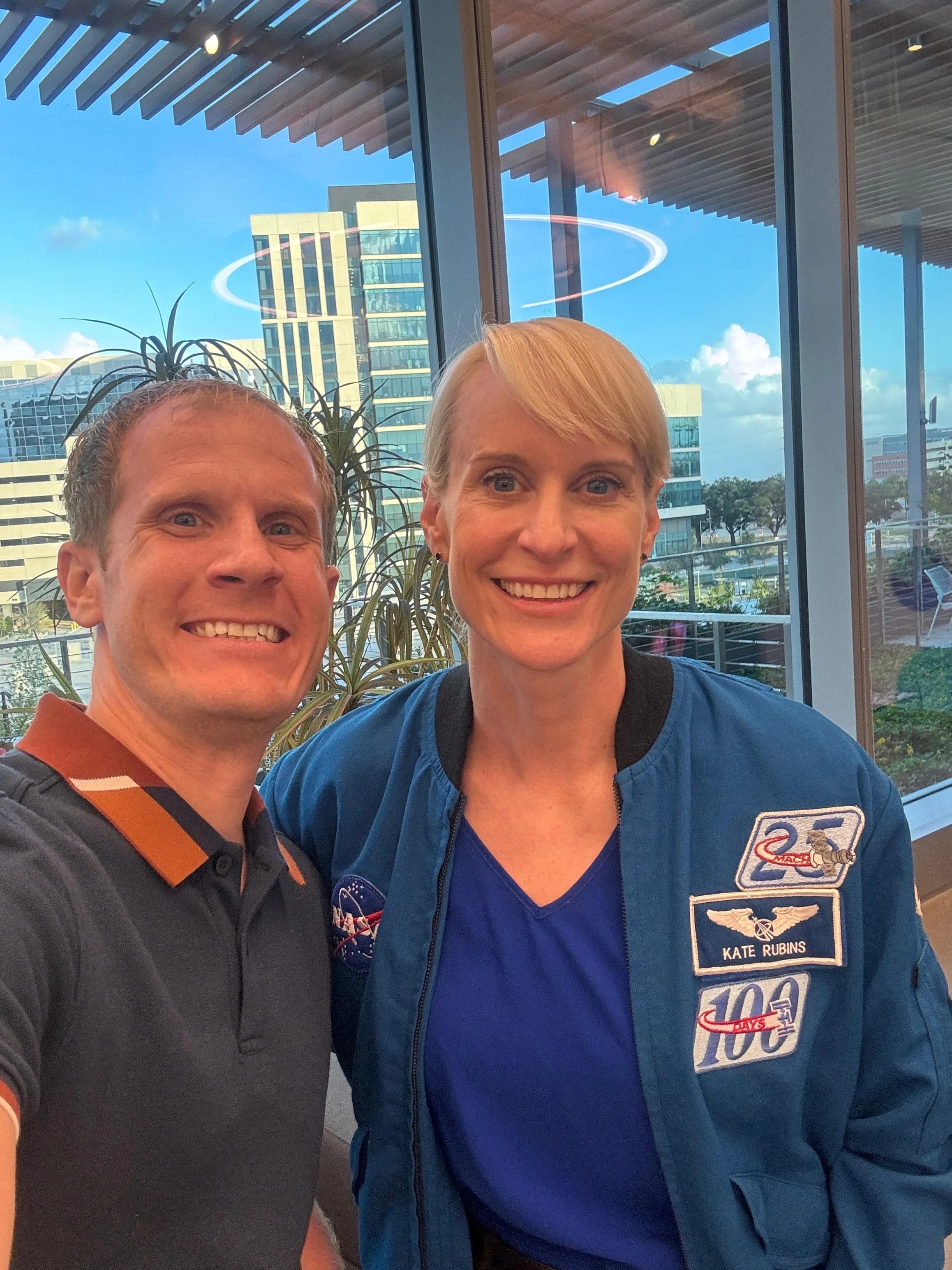
— With NASA astronaut Kate Rubins
Most of the work that matters in a business never makes it onto an org chart. A system three teams depend on has no documentation. A migration is underway and no one is certain what will break. Operational processes still run by hand because the company grew too fast to fix them. These are the rooms I tend to get called into, and the pattern of the work is consistent. Show up to the real situation rather than the described one, then build something the team can actually run after the engagement ends.
The core is cloud and platform engineering, building the systems a business runs its product on and making sure the team can keep them running. The work extends from there into operations automation and the connective tissue between software and how a business runs day to day. Different industries, different team sizes, the same underlying job. Figure out what is genuinely broken, and design a way through that the team can carry forward without me.
The work fits best at a particular stage of business, past the point where every problem is a startup problem and smaller than where a fully staffed engineering team makes sense. Both sides matter. The technical decisions that hold up long term come from someone who carries the business context alongside the technical requirements.
The path through, in plain order.
A masthead, not a CV. Each role is here because it shaped the way I work now — not because the title was impressive.
Independent cloud and operations consulting for small and mid-sized businesses. Turnaround engagements, automation, fractional leadership.
Sole cloud engineer across four teams. The whole AWS footprint, two product lines, and pipelines that has to be up each morning. A scope that forces intentional decisions.
Brought in for software projects; stayed to run technical operations three years later. CRM replatform, ops standardisation, vendor consolidation.
Technical delivery for AI and machine learning products in a regulated industry. Distributed teams across seven countries.
DevOps and QA inside a Salesforce development organization. A three-month contract that kept renewing for two years on the back of a number the CFO could point at.
Five months on the road, between chapters. Most of what eventually became the book started in notebooks from this trip.
Four years at one of the largest enterprise storage companies in the world. Quality engineering on the product line that brought the platform into AWS.
R&D management for carrier-grade telecom equipment. The first team across an ocean, the first calendar measured in quarters. An early lesson in how distance shapes process.
Four current credentials across architecture, operations and AI.
Four life chapters that probably tell you more than the bio above.
A senior consultant is a person you hand a problem to. Most of what makes one worth hiring is built somewhere that wasn't a conference room. Here's where mine was built.
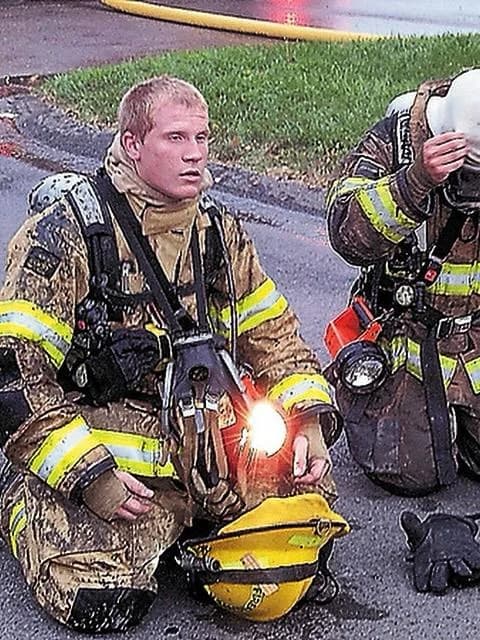
— A teammate and I in the morning paper
For six years, I went where the alarm sent me.
Most of the calls were unglamorous: alarm activations, mutual aid, the long quiet drives back at three in the morning. But the discipline that builds — arriving with incomplete information, in someone else's space, on the worst morning of their year, and doing the next correct thing — is hard to come by any other way. The engineering work I keep getting called back for is closer to that than people expect.
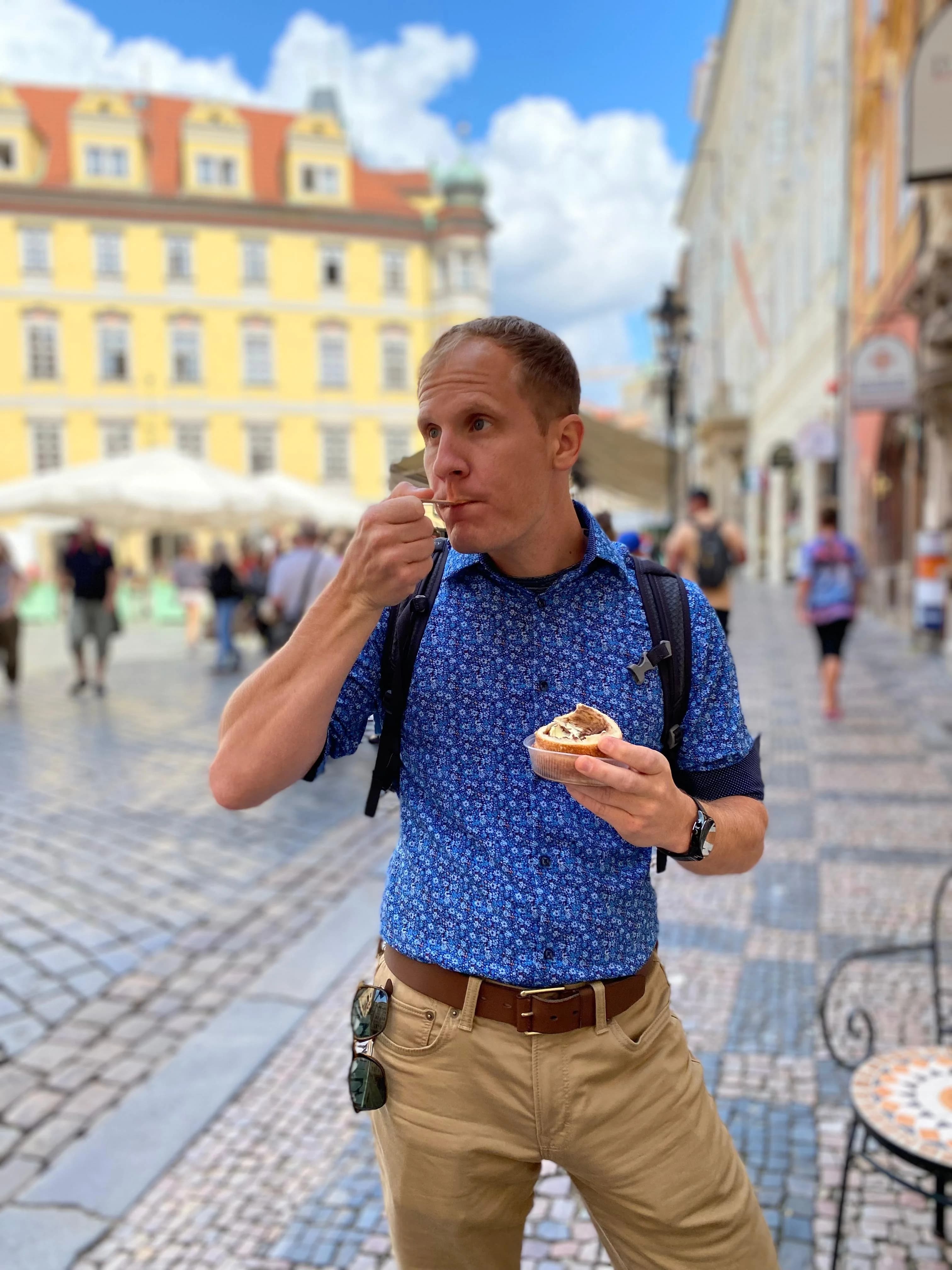
— A trip to Vienna, Austria
More than thirty countries. They were experiences, not trophies.
I don't keep a list. What I keep is the same lesson, repeated until it stuck: the way your world does things is just one way it can be done. Most of what feels obvious isn't. That's a hard instinct to fake when a client asks you what you'd do, and the only way I know to come by it honestly is to be the foreigner in the room for a while.
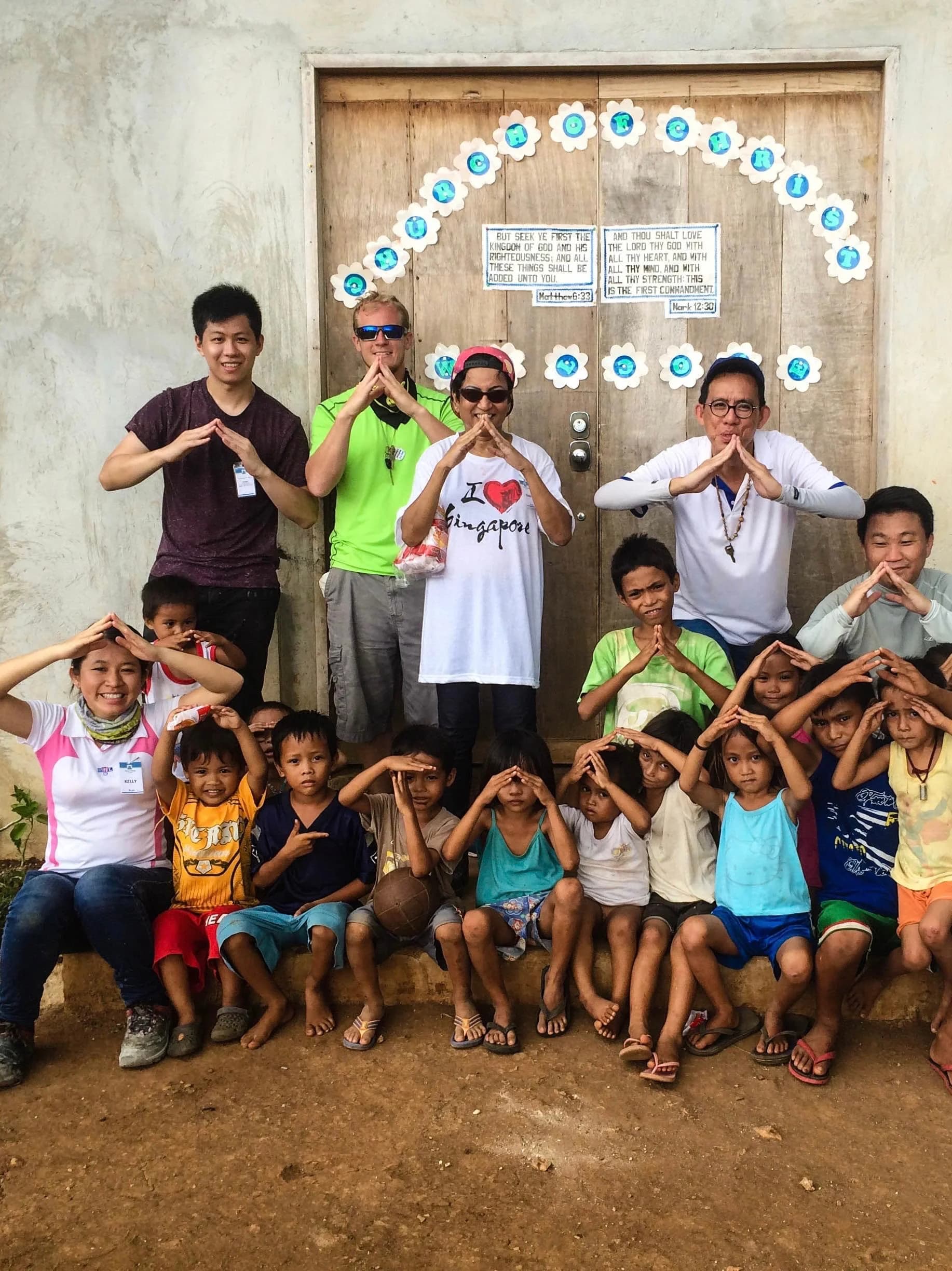
— Habitat for Humanity, Philippines
The difference between helping and being useful.
Some of the trips were volunteer work: teaching, building, showing up where the need was. The work was physical and immediate. What stayed with me wasn't the tasks but the recalibration. Arriving somewhere with a specific idea of what help looks like, then watching that idea get corrected by the people you came to help. Being useful in someone else's context requires a kind of listening that's harder than it looks.

— Book in print, app in build
I wrote the book I wanted to hand a friend. The app is what comes next.
The Informed Explorer is a field guide for people boarding their first international flight without a script. It started as notes; it ended up on Amazon. The iOS app version is in active development — native Swift, scoped narrowly, shipping in small pieces. The instinct behind both is the same one driving the consulting work: figure out what's actually in someone's way, and design something a real person can pick up and use.
If you'd rather not book a call just yet —
Three case studies. Real numbers, real businesses, written without the marketing gloss.
Case studies →The Informed Explorer — written for first-time international travelers.
On Amazon →A short form, a quick reply. Most responses within one business day.
Drop me a message →